Scholarship Holders präsentieren ihre Forschung beim zweiten FA(ST)2Africa-Netzwerktreffen
Scholarship Holders Showcase Their Research at the Second FA(ST)2Africa Networking Event
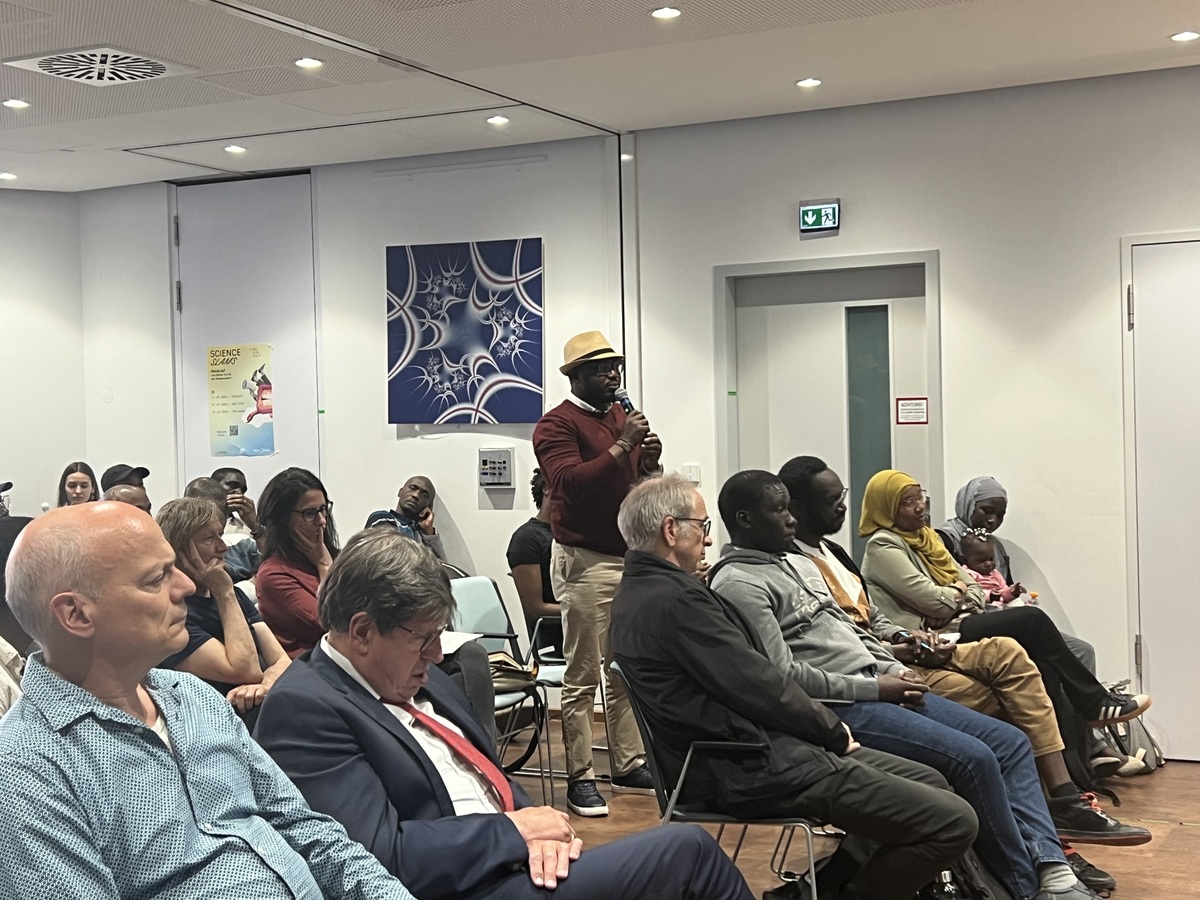
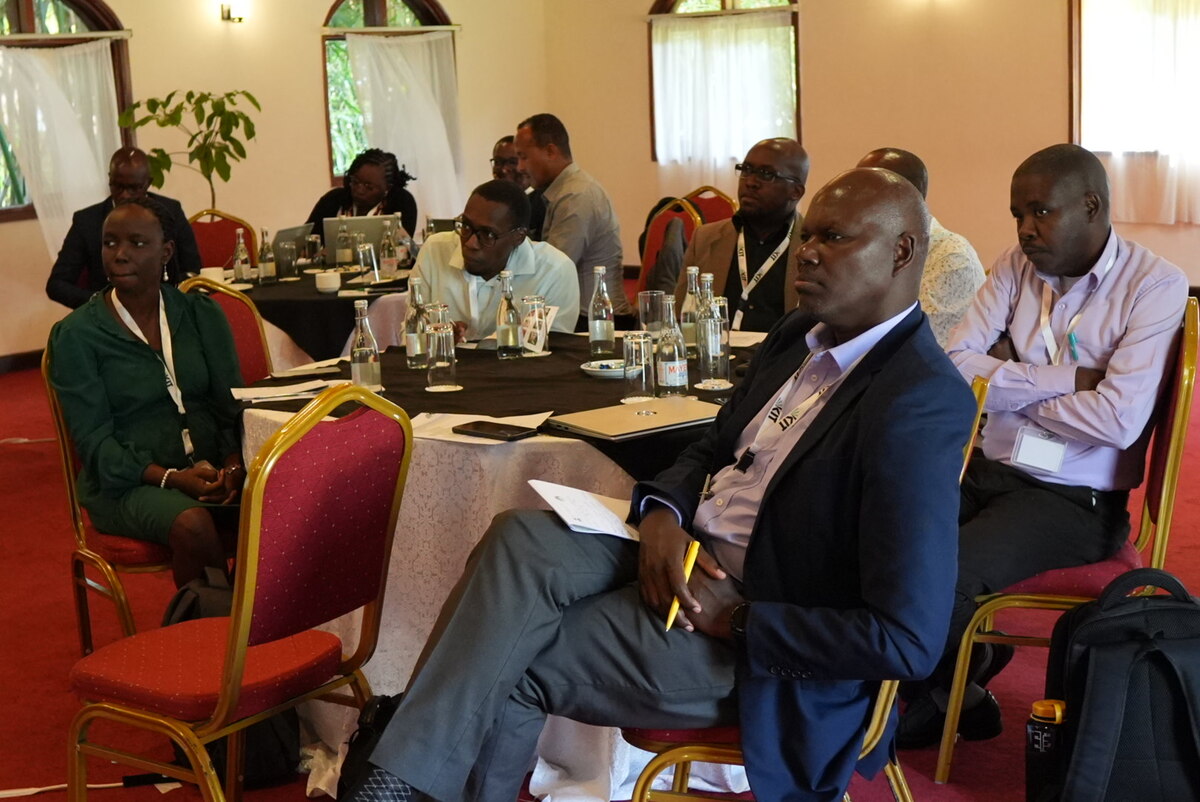
On 17 June 2026, researchers, scholarship holders and project partners gathered at KIT Campus South for the second FA(ST)2Africa Networking Event. The afternoon focused on the research conducted by the scholarship holders while providing an opportunity to exchange ideas, discuss shared challenges and explore new perspectives for international collaboration.
Participants were welcomed by FA(ST)2Africa Project Coordinator Dr. Davide Vanzo, who also guided them through the programme. Members of the project team in attendance included Project Coordinator Dr. Justine Nyarige and Pascale Kohler, one of the project's two coordinators. Together, they created the setting for an afternoon of inspiring scientific presentations and lively discussions.
Uganda's Wetlands Under Pressure
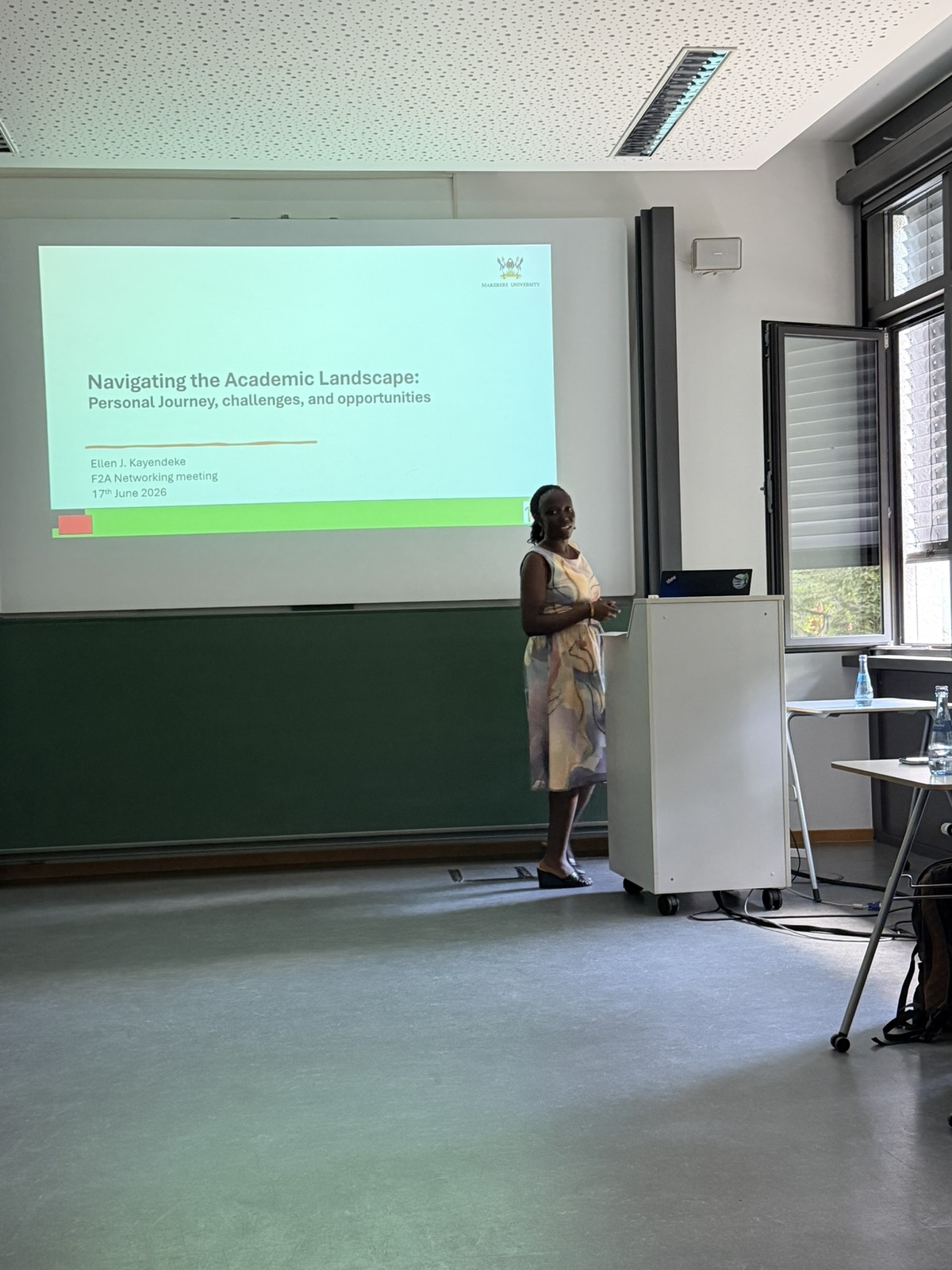
Dr. Ellen Kayendeke introduced her research on Uganda's wetlands, which cover approximately 13 percent of the country's land area and provide essential ecosystem services such as water purification, flood mitigation and water storage.
Her research focuses on wetland hydrology, including measurements of water depth, water volume and wetland thickness, as well as investigating the potential impacts of climate change on these sensitive ecosystems.
She also highlighted her work on nature-based solutions for climate adaptation and participatory modelling approaches that actively involve local stakeholders in identifying challenges and developing practical solutions. Reflecting on her fellowship at KIT, Dr. Kayendeke described the experience as highly rewarding, emphasizing both the valuable scientific exchange and the support provided through the scholarship programme.
Strengthening Climate-Resilient Agriculture Through International Collaboration
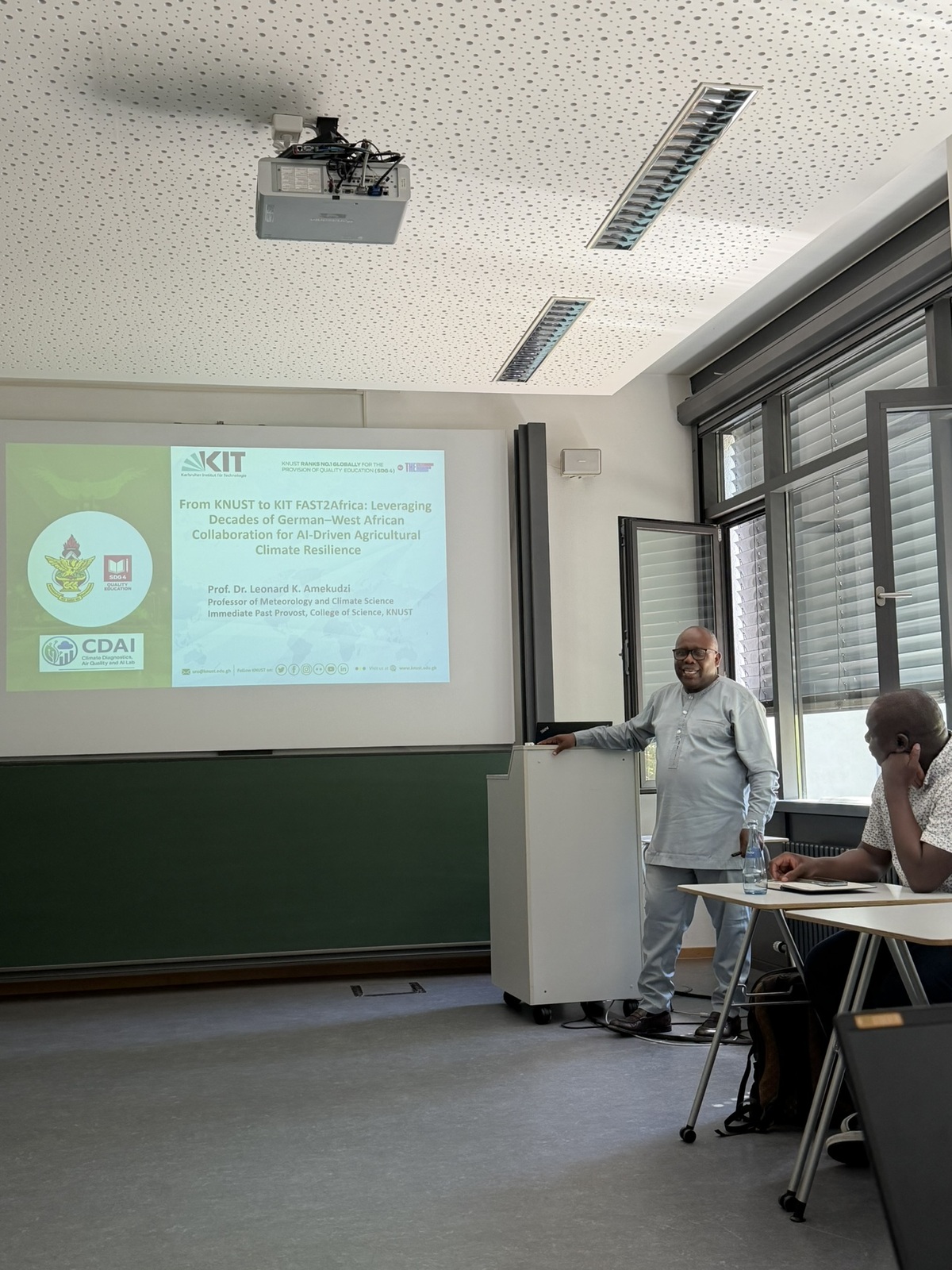
Prof. Dr. Leonard K. Amekudzi shared insights into the long-standing partnership between the Kwame Nkrumah University of Science and Technology (KNUST) in Ghana and KIT. Drawing on his academic career in Ghana, Germany and Italy, he illustrated how international collaborations can evolve into lasting strategic research partnerships.
His presentation highlighted future opportunities for cooperation, including AI-driven approaches to climate-resilient agriculture, the establishment of regional research hubs, joint technology development, policy-oriented innovation and the further strengthening of academic ecosystems linking Africa and Europe.
Internationalisation as a Driver of Scientific Cooperation
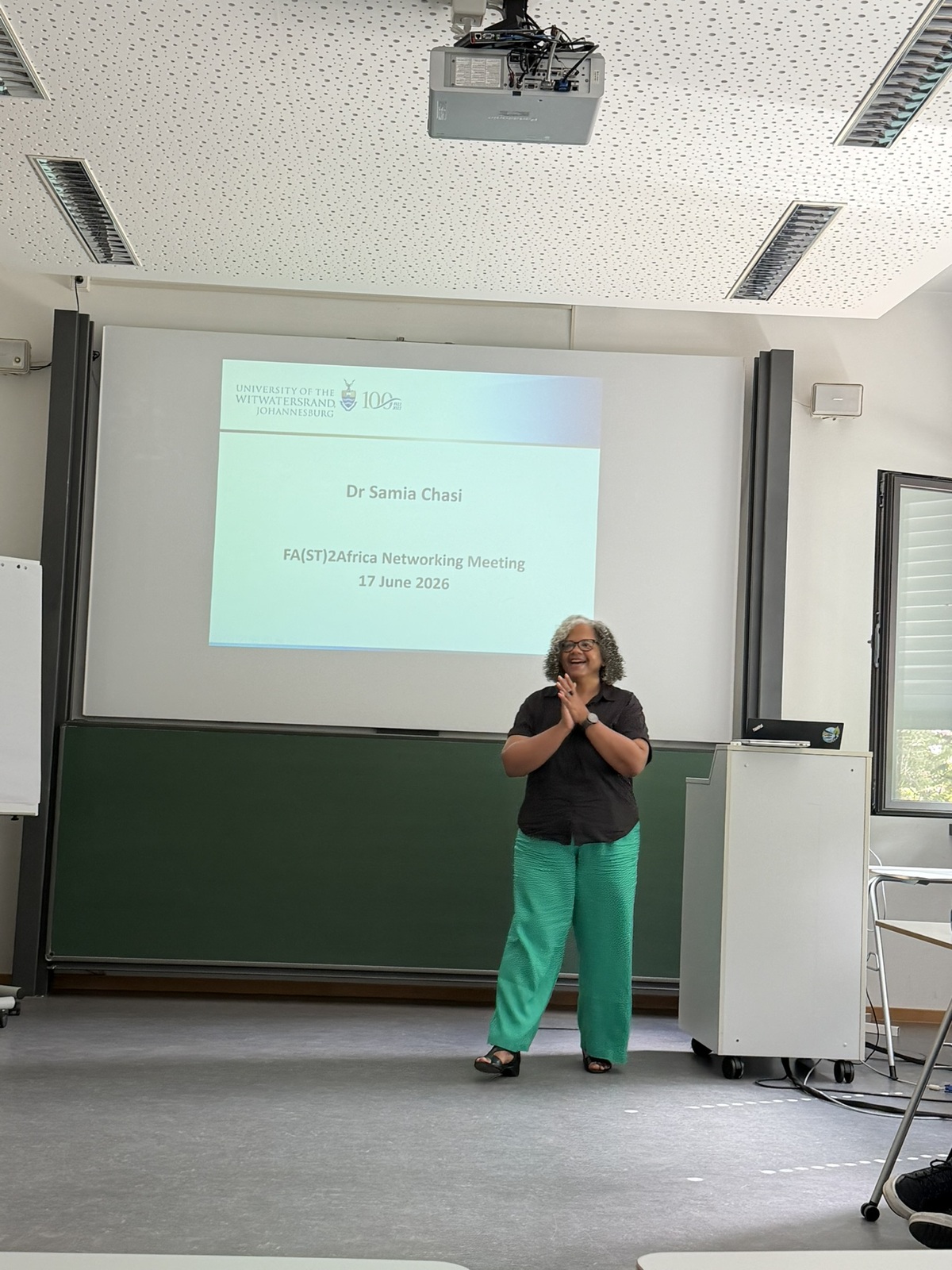
Dr. Samia Chasi shared insights from more than 25 years of experience in higher education internationalisation and strategic partnership development. As Head of the Internationalisation and Strategic Partnerships Office at the University of the Witwatersrand in Johannesburg, she spoke about the importance of building equitable partnerships between institutions in the Global South and the Global North.
During the discussion, participants asked about funding opportunities offered by the DAAD. Dr. Chasi encouraged researchers to contact the organisation directly to obtain the latest information on funding programmes and opportunities for collaboration.
Informal Exchange Inspires New Collaborations
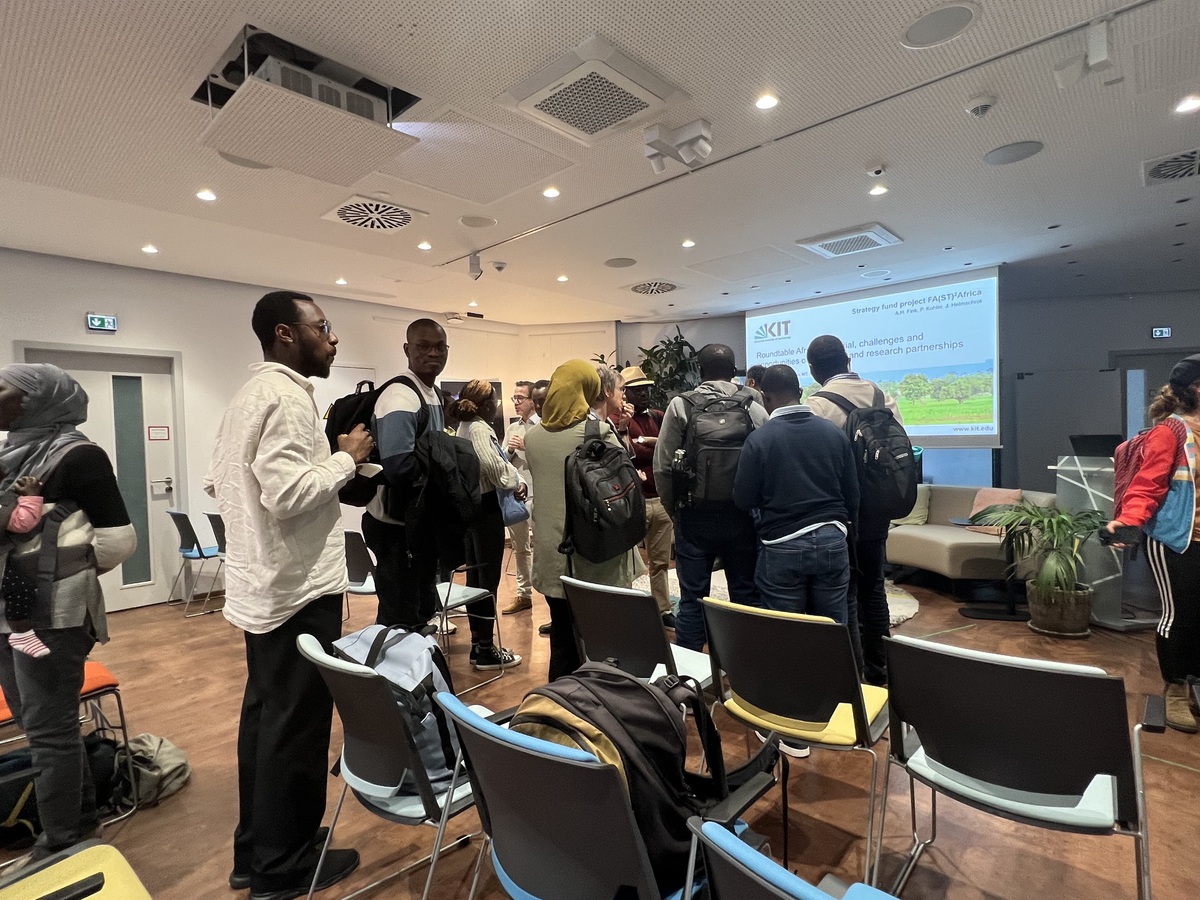
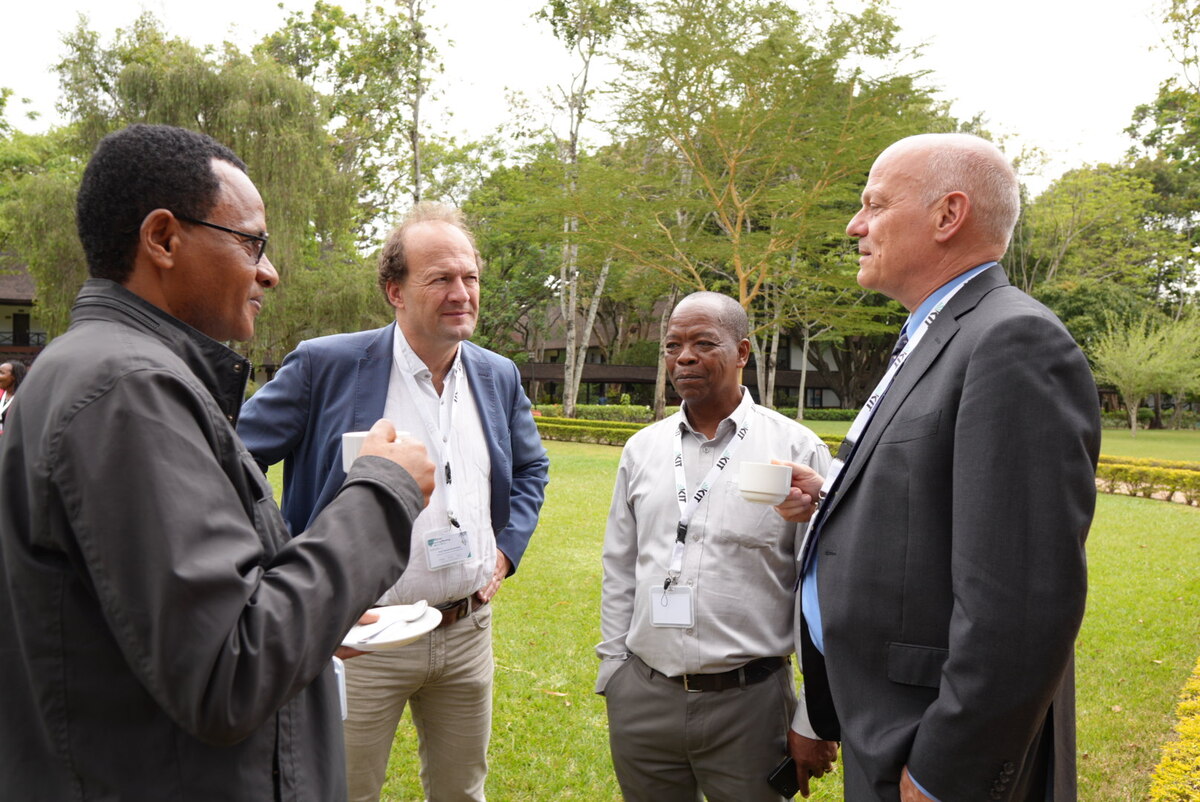
The networking event concluded with an informal coffee break, where participants continued discussions, strengthened existing connections and explored ideas for future cooperation.
Once again, the second FA(ST)2Africa Networking Event demonstrated the value of personal exchange in building successful international research partnerships. Bringing together scholarship holders, project members and invited guests, the event generated new ideas for collaboration and reinforced FA(ST)2Africa's mission of strengthening sustainable scientific networks between Africa and Germany.
Reflections from Nairobi: Global Challenges Can Only Be Addressed Through Global Collaboration
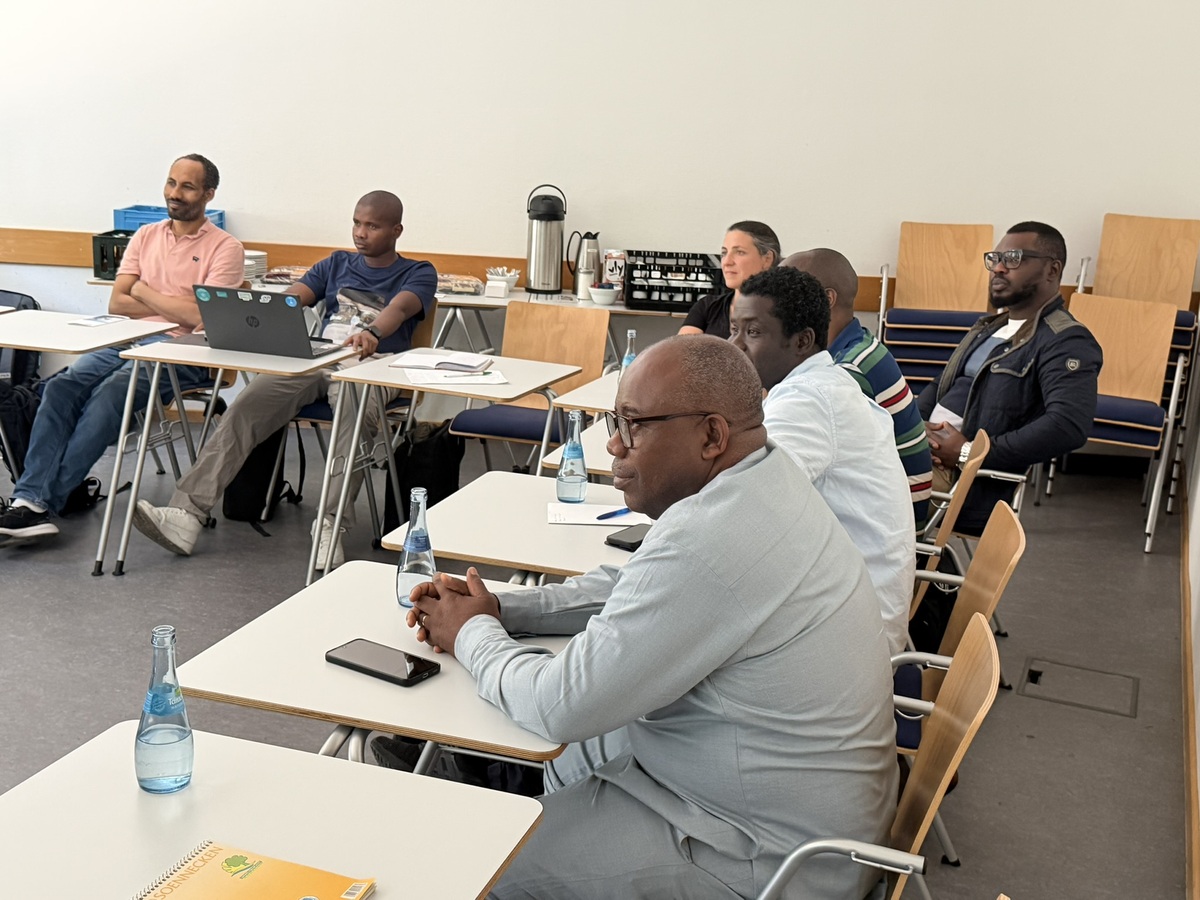
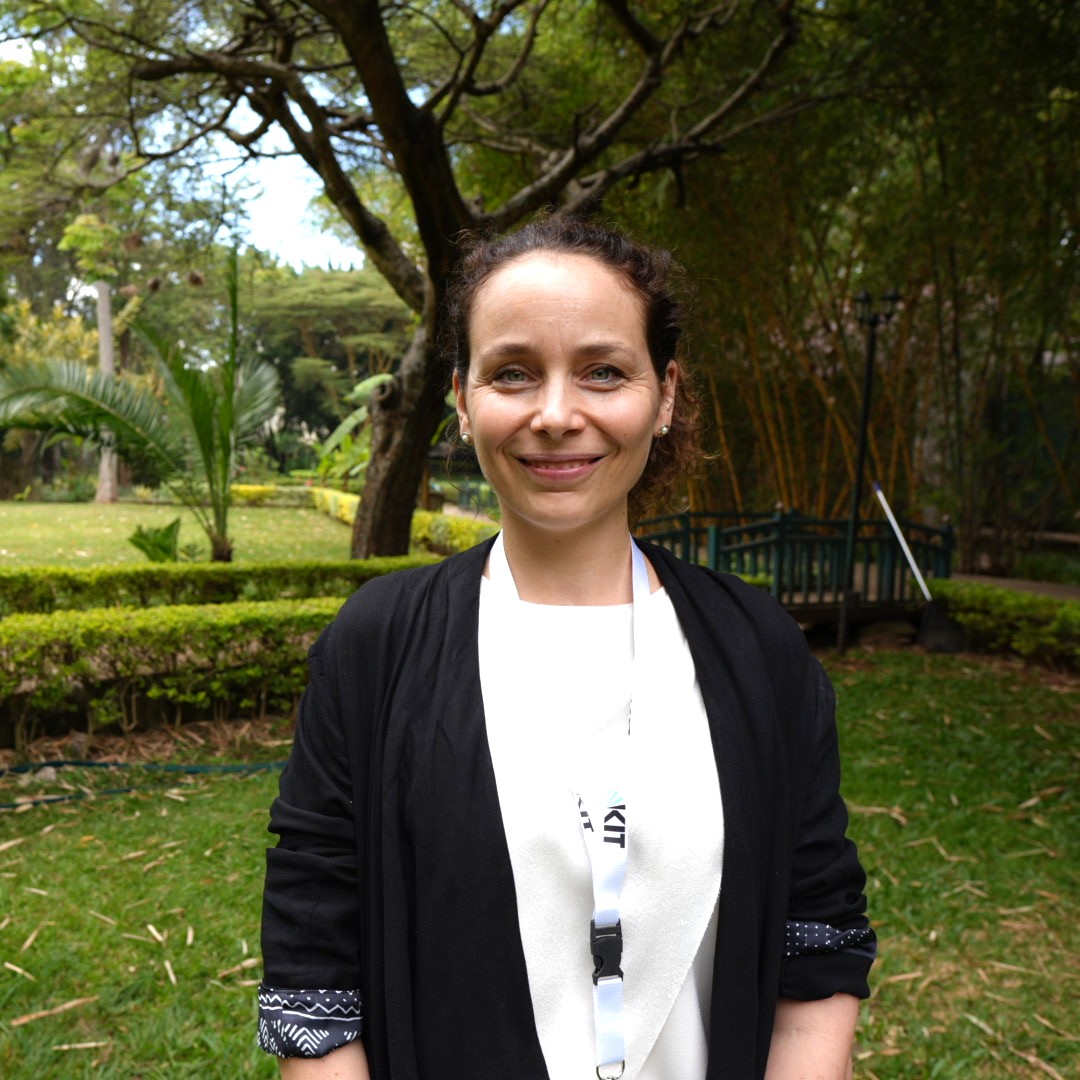
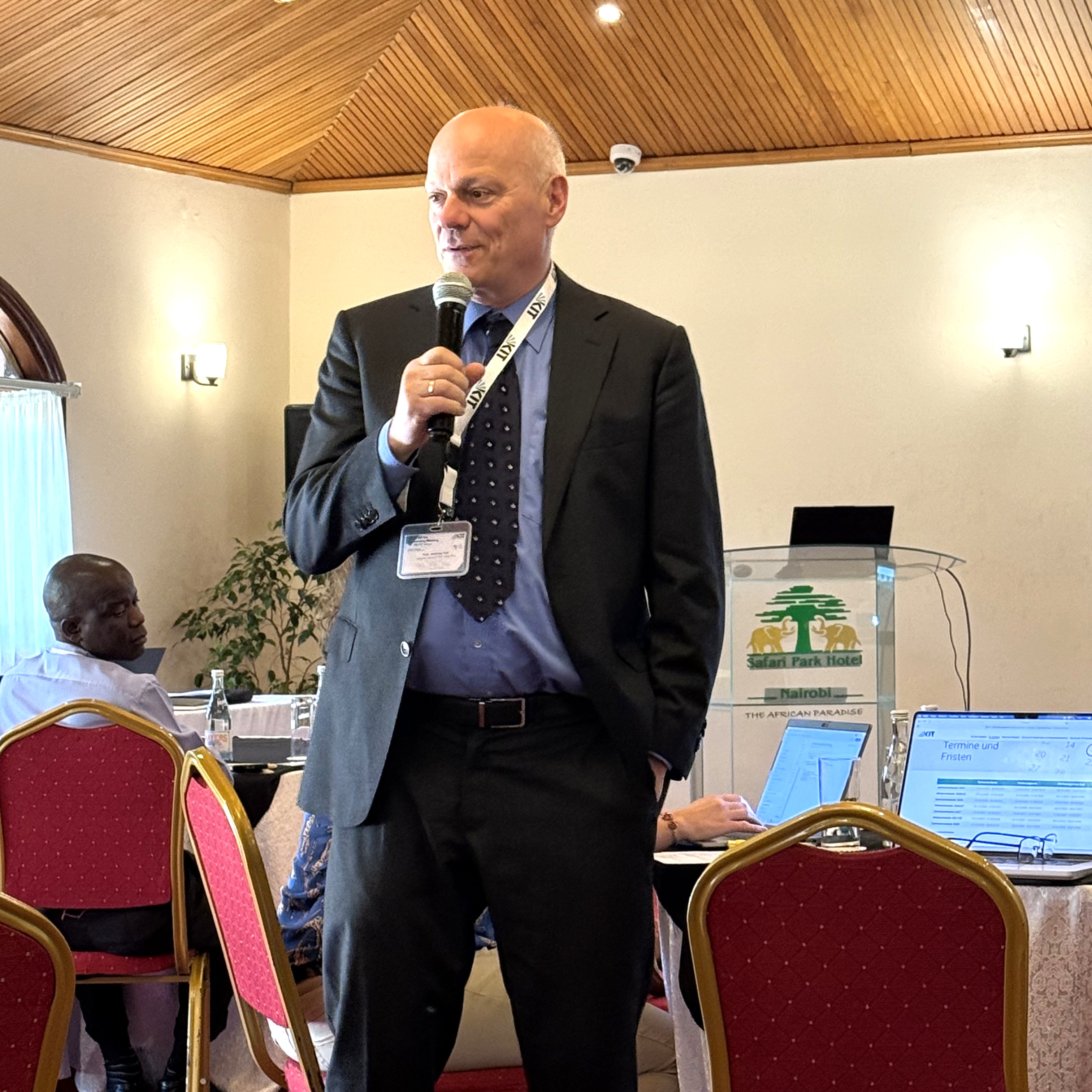
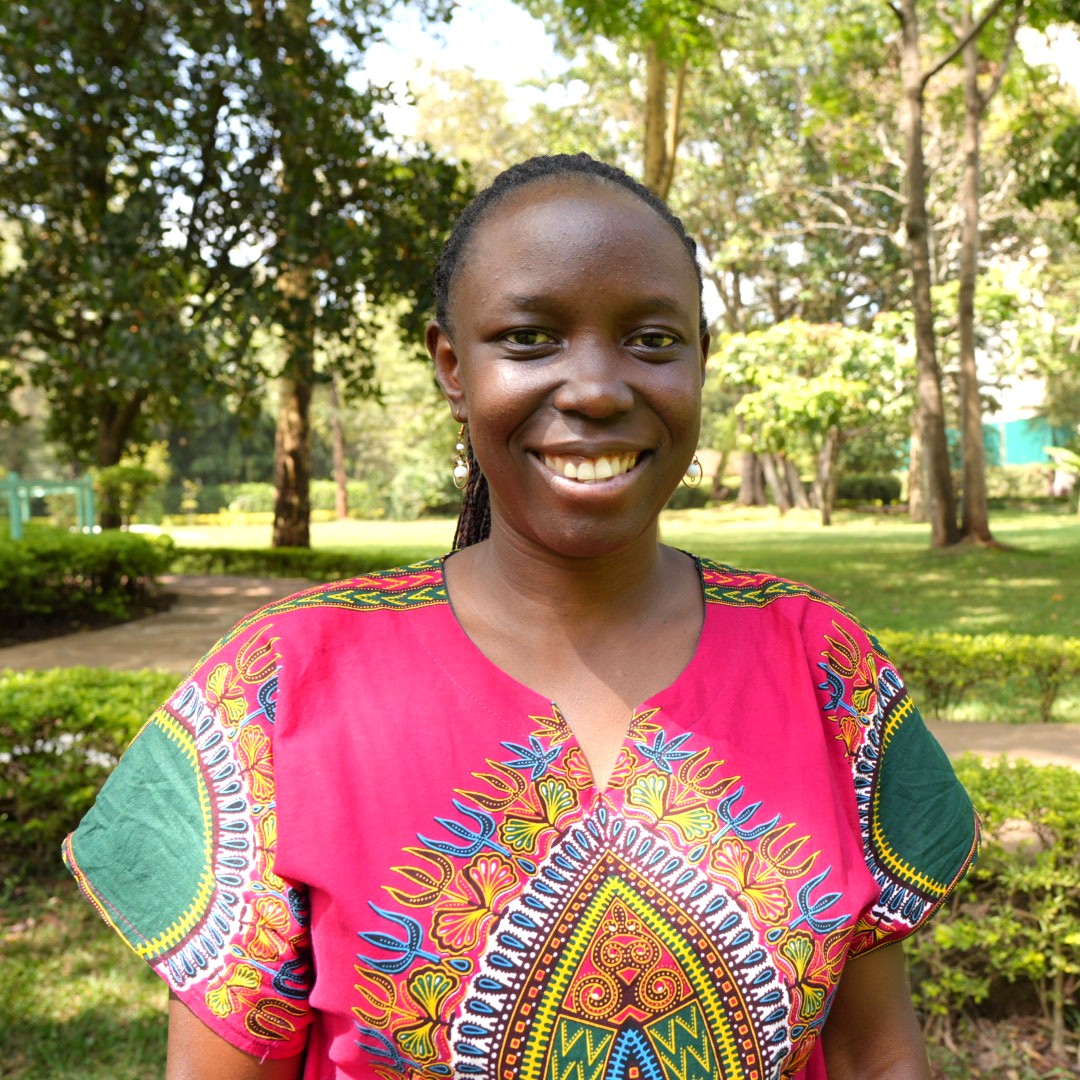
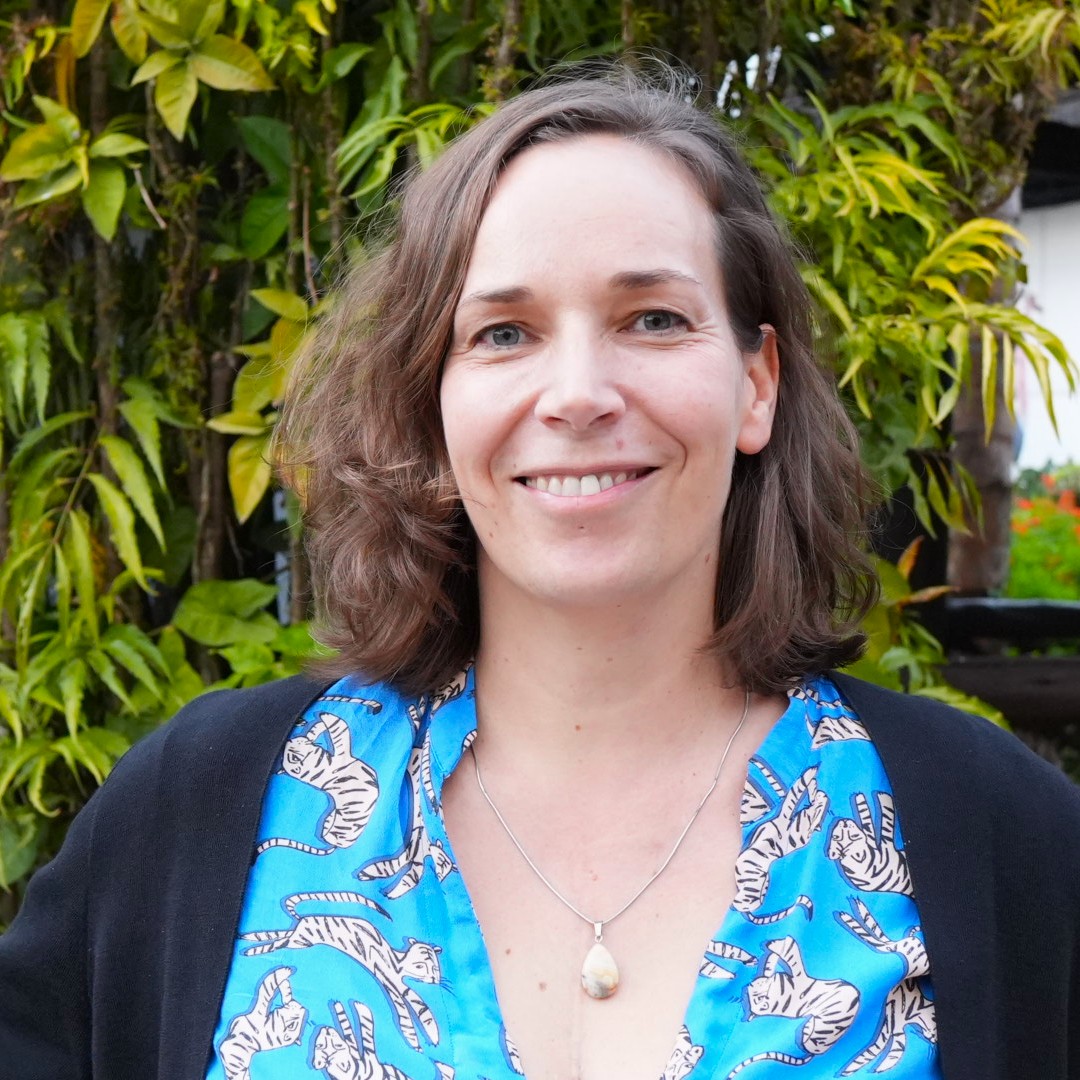
In December 2025, participants of the FA(ST)2Africa Networking Meeting in Nairobi discussed the future of international scientific collaboration. Representatives from East Africa and Germany exchanged perspectives on how existing connections can evolve into sustainable institutional partnerships in research and teaching, particularly in the fields of water, energy, and climate. The following statements reflect an overall positive assessment of the meeting and highlight the potential of dialogue-based, partnership-oriented cooperation.
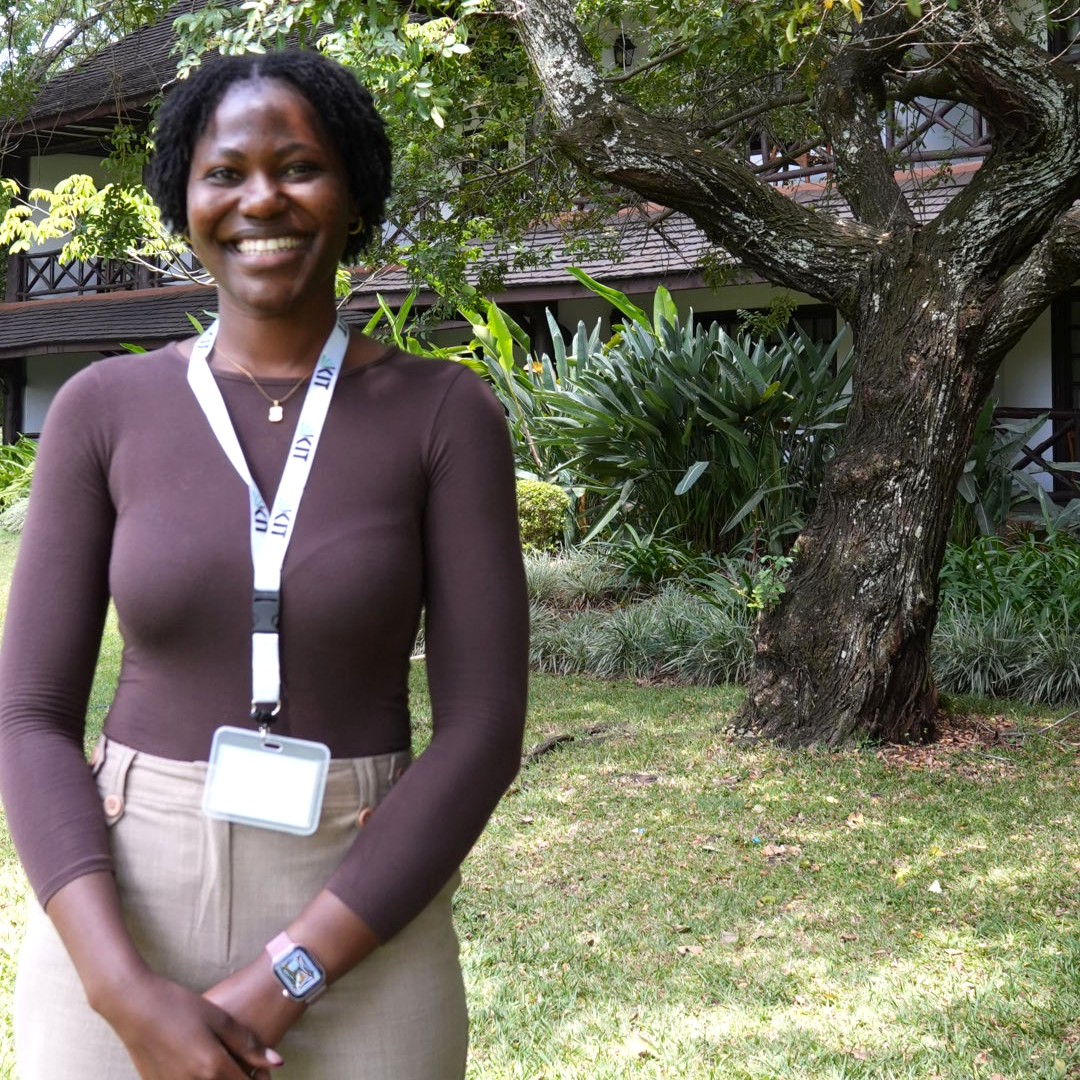
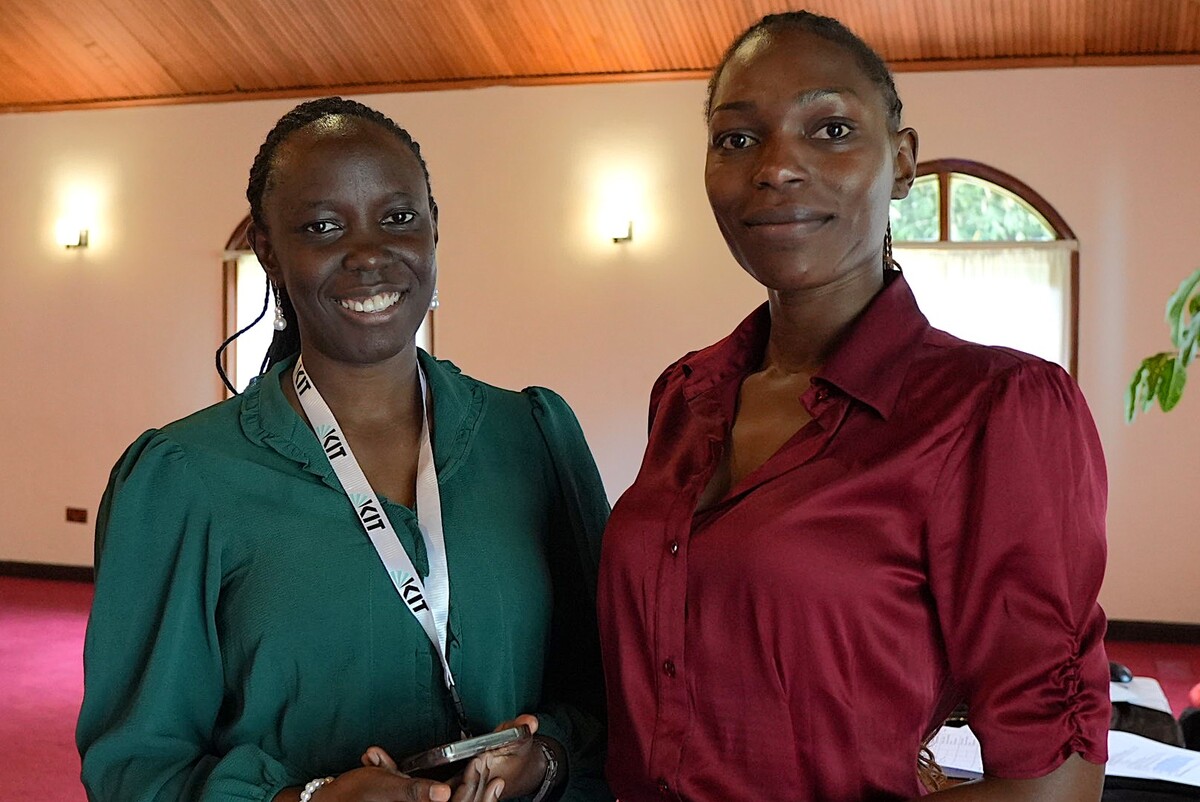
Annitha Kagali - Communications Officer, Kenya National Innovation Agency, Nairobi
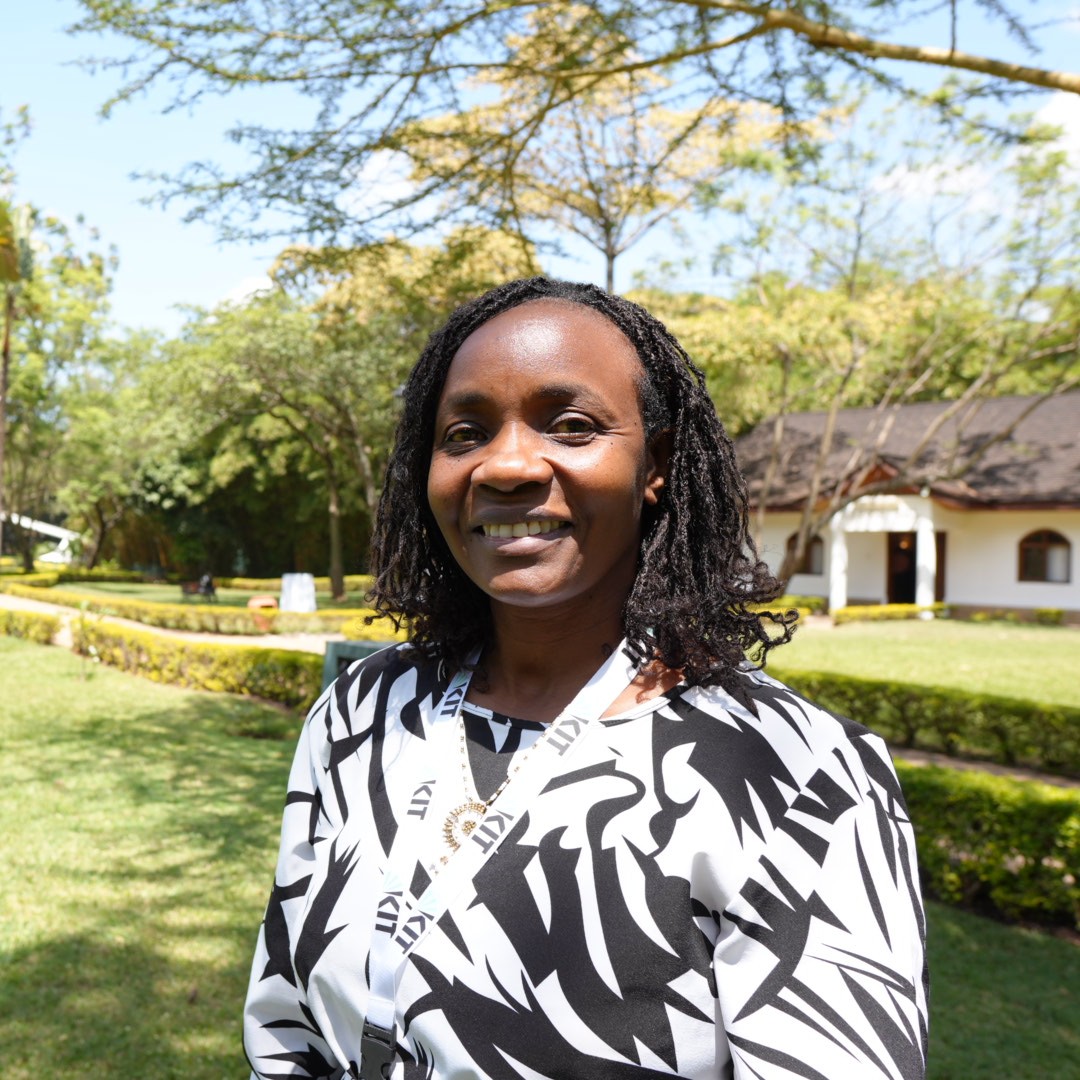
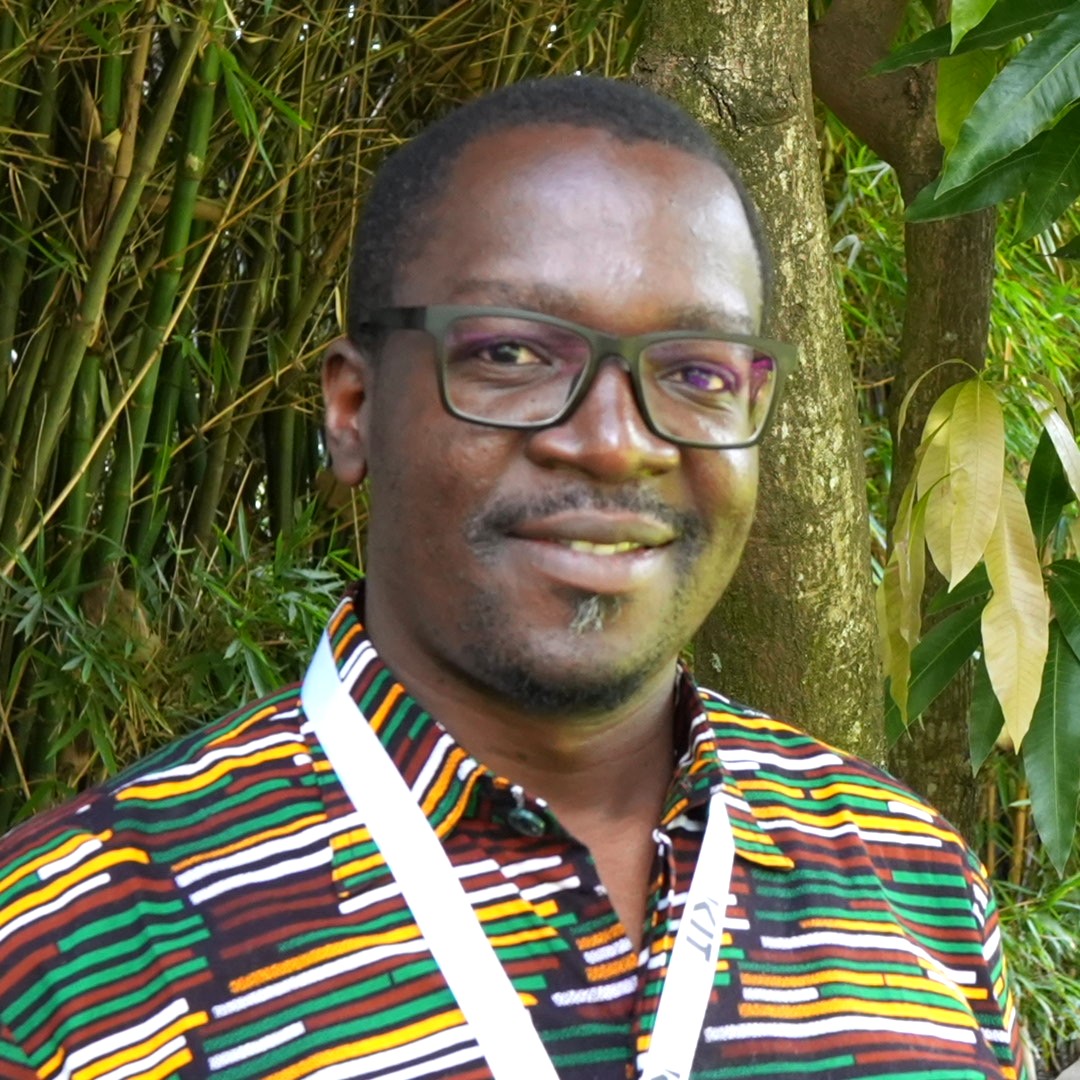
KIT goes Nairobi: From Networking to Collaboration
How can scientific cooperation between Europe and Africa be developed in a future-oriented, equitable, and strategic way? This question was at the center of another FA(ST)2Africa Networking Meeting held in Nairobi from 8 to 10 December 2025. Representatives from Uganda, Kenya, and Ethiopia met with a delegation from the Karlsruhe Institute of Technology (KIT) to jointly explore new approaches to collaboration in research and teaching. In addition to the project leadership and the FA(ST)2Africa project coordinator, researchers from KIT working in the fields of energy, water, climate, and innovation took part in the meeting.
The meeting was deliberately designed as a dialog-oriented format that enabled diverse interaction between the African partners and KIT, as well as among the partners themselves. Instead of traditional presentations, the focus was on listening, exchange, and thematic working groups. Participants from East Africa were explicitly encouraged to contribute their perspectives, needs, and strategic interests. The aim was to better understand existing individual collaborations and jointly consider how these could be developed into sustainable institutional partnerships—particularly in the nexus areas of water, energy, and climate.
“We wanted to engage directly with partners from East Africa and jointly reflect on how the existing individual collaborations of researchers at KIT can be further developed towards more institutionally anchored cooperation,” says Pascale Kohler, Head of the Division of International Cooperation and Projects (ICoP) at KIT and one of the project leads of FA(ST)2Africa. “We were also interested in discussing which strategic directions a potential Africa strategy of KIT might take in the future and what role our partners in East Africa could play in this.”
This approach reflects a deliberate shift in perspective: the networking meeting was not conceived as a traditional conference, but as a format centered on ideas and attentive listening. Local participants were encouraged to speak more, share their experiences, and articulate their expectations for future cooperation. African researchers bring extensive regional expertise, knowledge, and innovative capacity—resources from which German research can also benefit.
“Our goal is to create a broader institutional framework—an umbrella under which cross-disciplinary projects can be supported,” Kohler explains. “When KIT presents itself on site as an institution, we can elevate cooperation to a new level and better connect different stakeholders.”
At the same time, it became clear in Nairobi that international competition for scientific cooperation with Africa has intensified. Other global actors—such as China—have been working strategically and long-term with African universities and research institutions for years. Against this backdrop, FA(ST)2Africa also serves as an impetus to make Germany’s role in international scientific cooperation more visible, to rethink it, and to shape it more proactively.
In addition to universities, regional and continental networks as well as representatives of funding and research organizations were involved in the meeting in Nairobi. The working groups addressed not only scientific topics, but also institutional frameworks, funding mechanisms, and sustainable models of cooperation. Many African partners expressed a clear desire to more strongly integrate national and regional funding structures in future collaborations.

FA(ST)2Africa Kick-off in Stellenbosch: Joint Research for Local Impact
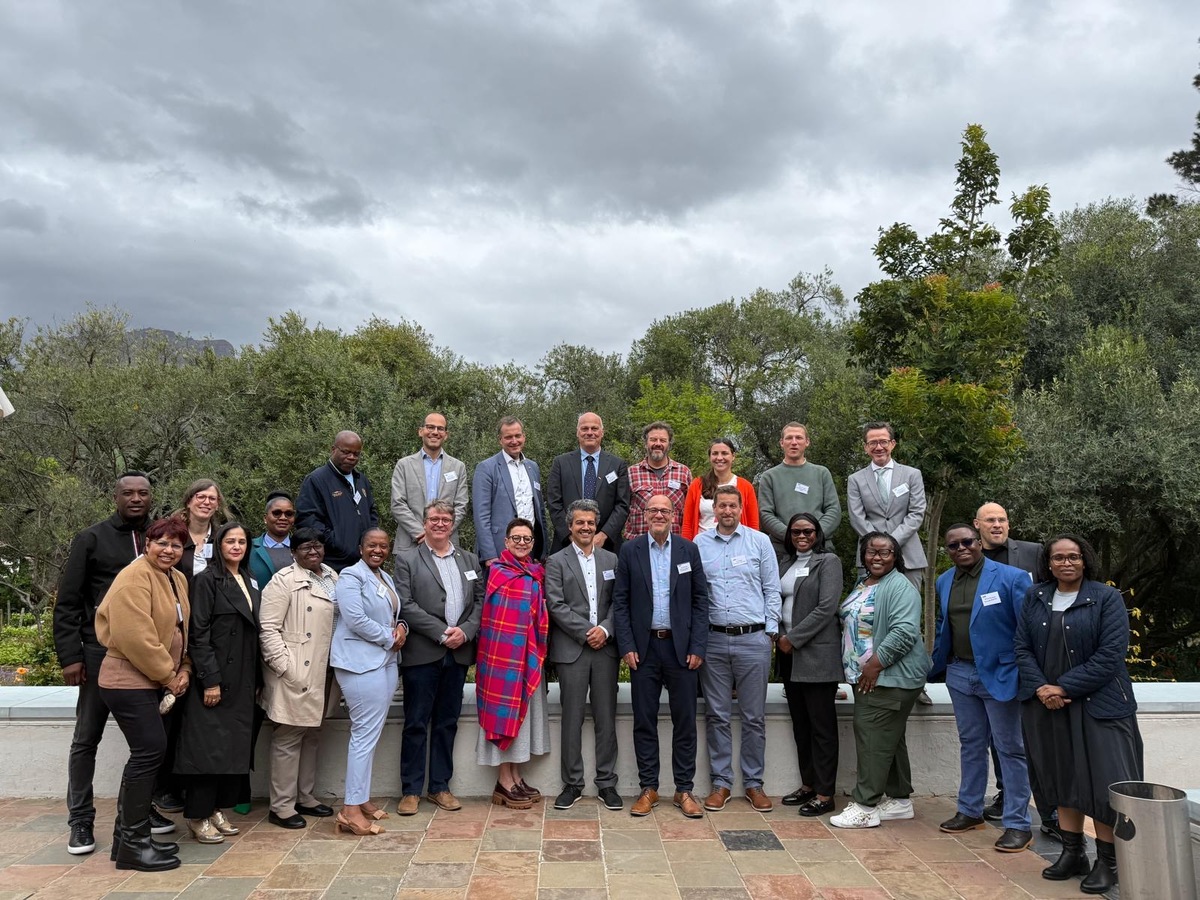
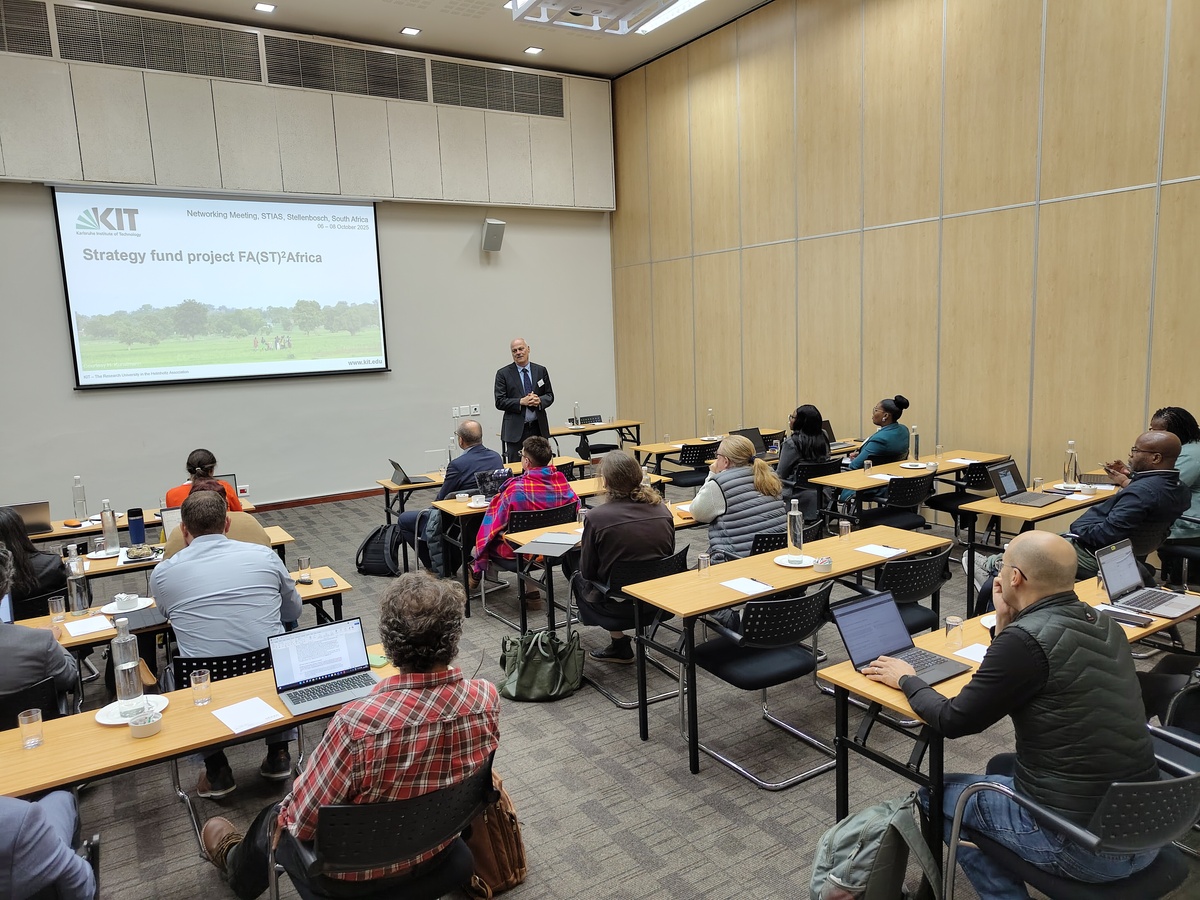
From October 6 to 8, 2025, representatives of Karlsruhe Institute of Technology (KIT) and partner institutions from Southern Africa met at the STIAS Wallenberg Conference Centre in Stellenbosch to discuss joint research priorities and future cooperation strategies. The meeting took place within the framework of the FA(ST)2Africa project, which aims to strengthen KIT’s international collaboration with African universities and research institutions and to establish long-term structures for joint research, teaching, and knowledge transfer.
The workshops focused on the close interconnections between water, climate, food, and energy – key topics for the sustainable development of the African continent. In expert sessions, working groups, and matchmaking formats, participants presented ongoing projects and developed new ideas for future partnerships. Representatives of the National Research Foundation (NRF), DAAD Johannesburg, and the German Research Foundation (DFG) also introduced funding opportunities and provided insights into upcoming programs.
“These were very open and constructive discussions from which we gained many valuable insights,” said Dr. Klaus Rümmele, Head of the International Affairs Division at KIT. “One key takeaway for me was that the concept of local impact is of central importance to our African partners.” Research results, he explained, should not only advance science but also “make a tangible difference on the ground – for example, by strengthening local labor markets or contributing to the development of the economic and social ecosystem.”
Beyond scientific aspects, the meeting emphasized the importance of equitable partnerships. “We come from a colonial context in which European institutions often thought they had to explain the world. Today we know: only together can we truly tackle global challenges such as climate change,” Rümmele said. He recalled one participant mentioning that Victoria Falls had recently run dry for an entire year – “a vivid reminder of how rapidly changes are already being felt locally.”
The discussions also underlined how diverse the African higher-education landscape is and how differently institutions are embedded in international networks. For KIT, this means acting flexibly and responding to partners’ specific needs. “We do not have one-size-fits-all partnerships,” Rümmele explained. “We have to listen to our partners and build collaborations where they can create the greatest mutual benefit.”
Another key topic was the strengthening of networks across institutions. “What impressed me most was the openness and connectedness of our partners – especially in Stellenbosch,” Rümmele said. “When we as KIT work in Africa, we bring our own expertise, but we also act as facilitators, linking partners to other universities in Baden-Württemberg – for example in the field of agricultural research, which is highly relevant for many African institutions.”
The meeting also highlighted strong interest in research stays at KIT. Programs such as the International Excellence Fellowships and the Innovation Campus Mobility Grants offer frameworks that enable African scientists to work on relevant topics in Karlsruhe, gain hands-on experience, and apply that knowledge in their home institutions.
The event was held in line with the African Union’s Agenda 2063, the continent’s long-term development strategy for a prosperous, united, and self-determined Africa. It links economic growth with social justice, education, and the sustainable use of natural resources. “The meeting in Stellenbosch was an inspiring encounter on equal footing,” Rümmele concluded. “It showed how vibrant and diverse the African research landscape is and how much trust and dialogue matter for successful collaboration.”
The FA(ST)2Africa Networking Meeting thus marks another milestone in KIT’s strategic engagement with Africa and lays the foundation for long-term partnerships that connect research, education, and innovation in the spirit of Agenda 2063 and the UN Sustainable Development Goals.
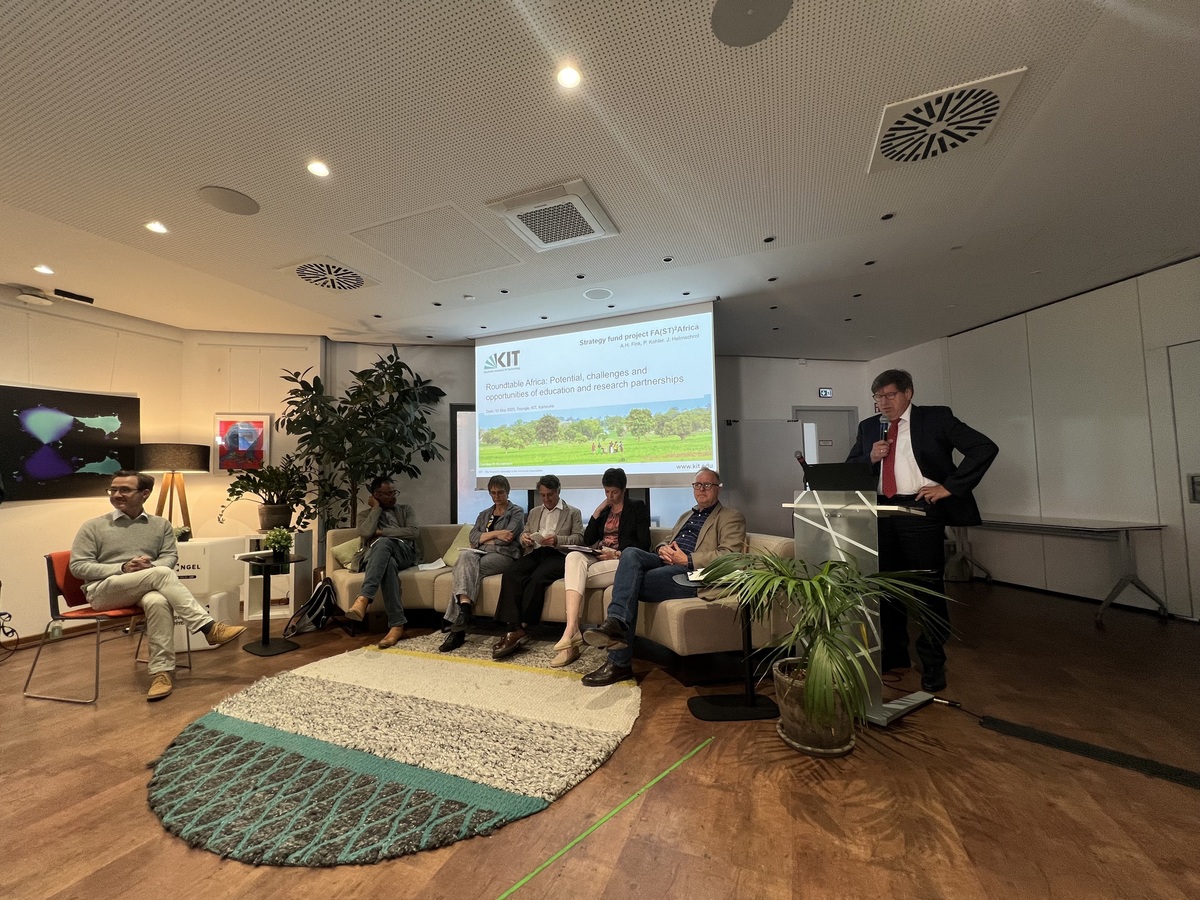
Roundtable Africa: Potentials, challenges and opportunities of education and research partnerships
"Africa is at the threshold of an educational and scientific revolution that can be accelerated through international collaboration." Under this guiding principle, the Karlsruhe Institute of Technology (KIT) hosted a high-profile roundtable at the Triangel Space in Karlsruhe.
The event gathered voices from research, science management, and international cooperation to discuss the vast potential and future of equitable partnerships between African and German institutions. Experts used the platform to explore the opportunities and challenges of international collaboration from multiple perspectives amidst global upheavals.
At the heart of the discussion was the question of how strong partnerships between Africa and Germany can effectively support the transformation of education and science—especially against the backdrop of current political and economic shifts.
The discussion was moderated by Dr. Joerg Helmschrot (Project Coordinator FA(ST)2Africa and WASANet, KIT Namibia). Panelists included:
-
Dr. Annika Hampel, Max Planck Institute for the Study of Crime, Security and Law, Freiburg
-
Dr. Zegeye Mamo, Head of the Emerging Cities Lab-Addis Ababa (EiABC-AAU and Bauhaus University)
-
Dr. Chris Funk, Director of the Climate Hazards Center, UC Santa Barbara
-
Prof. Dr. Christian Borgemeister, Director of the Center for Development Research (ZEF)
-
Gudrun Chazotte, Head of Scholarship Programs Africa, DAAD
Power Asymmetries and New Approaches
Dr. Zegeye Mamo openly addressed the structural imbalances that characterize many partnerships between African and European institutions. Research agendas are often dictated by European funding mechanisms, requiring African institutions to adapt. However, there is progress: “We have developed a platform with Bauhaus University based on mutual interest—independent of external calls for funding.” Mamo remains optimistic: “Africa is the last frontier of urbanization. In the next 25 years, we’ll create living space for a billion people. This brings immense opportunities—even for German students and professionals.” At the same time, he warned against inflated expectations: African universities are often overwhelmed by development tasks—expected to conduct research, teach, and drive progress—as a condition for funding.
Dr. Annika Hampel stressed that successful and fair partnerships require more than good intentions. European actors must invest in intercultural competence and African studies, critically examine colonial mindsets, and be willing to share power—in topic selection, funding, and evaluation. Cooperation should happen on equal footing: This means reciprocal capacity building, structural support for African infrastructure, and true scientific co-creation rather than unilateral data extraction. A culture of openness and the courage to fail are essential for building lasting structures.
Hampel called for an epistemic shift: “Africa has too often been the object of European research. We need collaborations that dismantle asymmetric knowledge structures.” She highlighted the Maria Sibylla Merian Institute for Advanced Studies in Africa (MIASA) as a model where African researchers lead critical initiatives, including the analysis of European migration policy. Her message: Equal collaboration requires time, trust, and structural change: “Sustainable partnerships do not emerge from isolated funding cycles, but from long-term commitment.”
Gudrun Chazotte outlined core challenges and strategies for sustainable educational cooperation with African countries. With over 30 years at the DAAD, she emphasized the need for fair and interest-aligned partnerships. Both sides must articulate their goals transparently and align them for effective collaboration. “Only when both partners speak openly and act as equals can sustainable structures emerge,” Chazotte explained.
She also focused on fostering entrepreneurship among scholarship recipients. With high unemployment in many African countries, entrepreneurial skills can offer returnees real prospects. Equipped with training, savings, and expertise, returnees could launch ventures that stimulate local economies. “When returnees become entrepreneurs, they can act as nuclei of development.” She also highlighted the role of the African diaspora and the importance of remittances, which often directly support education.
She advocated a shift from the concept of “brain drain” to “brain circulation.” Through temporary stays abroad and structured return mechanisms, a circular flow of knowledge can emerge that benefits both host and home countries.
New Realities in African Science
Prof. Dr. Christian Borgemeister reflected on three decades of partnership with African universities: “The progress is impressive. Universities in Accra and Ibadan have made great strides.” However, he noted a challenge: “As African labs produce cutting-edge research independently, they no longer fit into traditional aid frameworks. European partners feel pressure from donors demanding visible 'development aid.'”
As head of a chemistry lab in Nairobi, he observed that growing autonomy among African partners led to tension and a need to redefine roles in joint projects. He called for a rethinking of funding policies: partnerships should be based on equality, not paternalism, and recognize the growing capacities of African institutions.
Research That Saves Lives
“Science must save lives – not just generate knowledge.” With this powerful statement, Dr. Chris Funk from the Climate Hazards Center at UC Santa Barbara opened his remarks at the FA(ST)2Africa Roundtable hosted by KIT.
He emphasized that simple ethical and physical principles—such as compassion or the fact that warm air holds more moisture—form the foundation for effective climate hazard forecasting. Early warning systems grounded in these principles can mobilize global science to support local, life-saving action. Research must not remain in the ivory tower—it must engage with local meteorologists, agricultural advisors, and the media to deliver timely and actionable information.
Conclusion: A Call for Systemic Change
The roundtable made one thing clear: Africa–Germany collaboration stands at a crossroads. Good intentions are no longer enough. What’s needed is deep structural change—in institutions, thinking, and interaction. True partnerships arise from long-term engagement, shared responsibility, and the redistribution of power. African voices must not only be included but take the lead. As Dr. Hampel stated: “The time for manifestos is over. What we need now is systemic change—toward truly reciprocal, decolonized, and sustainable collaboration.” The revolution in science and education is underway. What matters is whether it happens on equal terms—and who helps shape it.